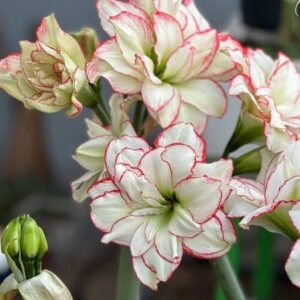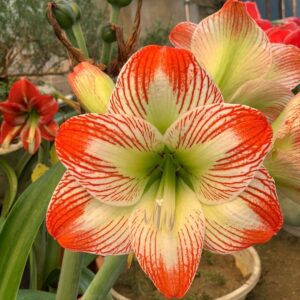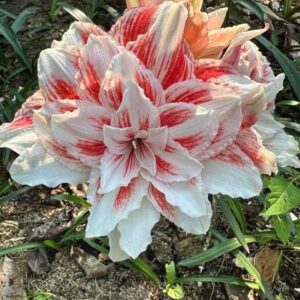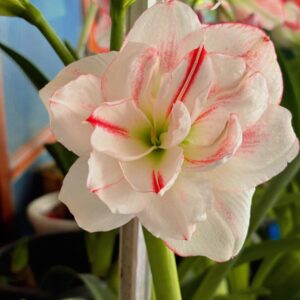

The “Twilight Blaze” daylily, gardeners are most frequently referring to Hemerocallis ‘Blaze of Glory’— a highly sought-after, vividly colored daylily from the Rainbow Rhythm® collection . Prized for its heat tolerance and striking color contrast, it puts on a massive floral display in the summer. [1, 2, 3]
The specific characteristics and care requirements for this daylily are detailed below.
Key Plant Characteristics
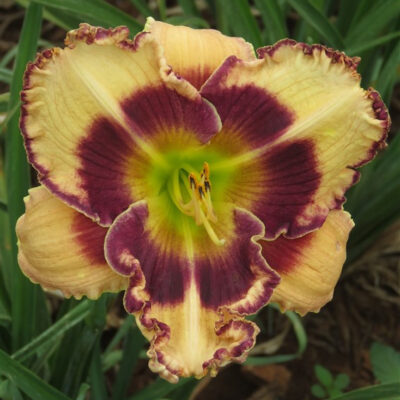
- Flower Size & Colors: Large, 5.5-inch blossoms of fiery golden-orange with a prominent, dark purple “eye” and matching ruffled purple edges. [1, 2]
- Bloom Season: Flowers typically emerge in early to mid-summer, with a strong tendency to rebloom later in the season. [1, 2]
- Plant Size: Grows to roughly 24 to 25 inches in height with a spread of 18 to 36 inches. [1, 2, 3, 4, 5]
- Growth Type: It is a tetraploid (having twice the normal number of chromosomes), which results in larger flowers, stronger stalks (scapes), and a higher bud count. [1, 2]
Ideal Growing Conditions
- Sunlight: Thrives in full sun to partial shade. Providing at least 4 to 6 hours of direct sunlight daily ensures the best and most vibrant bloom production.
- Soil Requirements: Highly adaptable but grows best in fertile, loamy, well-draining soil. They prefer a pH between 6.1 and 7.5.
- Watering: Keep the soil consistently moist but not waterlogged during the first year to help it establish. Once established, daylilies are highly drought-tolerant.
- Hardiness Zones: Hardy in USDA zones 3 through 9, meaning it can survive harsh winters and hot, humid summers. [1, 2, 3, 4, 5]
Maintenance & Care
- Deadheading: Pinch off faded or wilted flowers to redirect energy into producing new buds rather than seeds.
- Pruning: Once all the flowers on a specific stalk have finished blooming, cut the entire scape down to the ground. In the fall, you can trim or pull away dead, yellowed foliage to clean up the garden bed.
- Dividing: To maintain vigorous growth and prevent overcrowding, dig up and divide the clumps every 3 to 4 years.
- Pests: Daylilies are generally pest and disease-resistant, though gardeners in humid climates should watch out for daylily rust. [1, 2, 3]