
-
The term “Rattlesnake Amaryllis” is most likely a confusion between two popular houseplants: the Amaryllis (Hippeastrum) and the Rattlesnake Plant (Goeppertia insignis, formerly Calathea lancifolia).While they are distinct species, here is the breakdown of what you might be looking for:1. Rattlesnake Plant (Goeppertia insignis)This is the most common plant associated with the name “Rattlesnake.”
- Appearance: It features long, lance-shaped leaves with wavy edges. The top of the leaf is light green with dark green oval spots resembling a rattlesnake’s markings, while the underside is a deep purple-red.
- Behavior: It is a “prayer plant,” meaning its leaves fold upward at night (a process called nyctinasty) and open during the day.
- Care: It thrives in bright, indirect light and high humidity. It should be kept in well-draining soil that remains consistently moist.
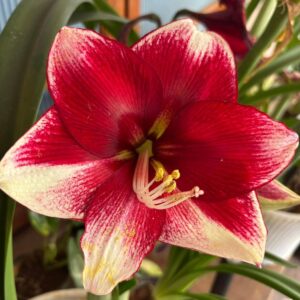
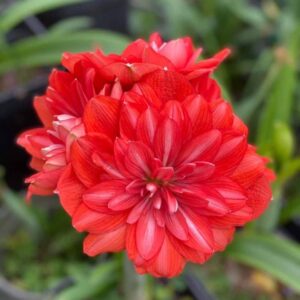
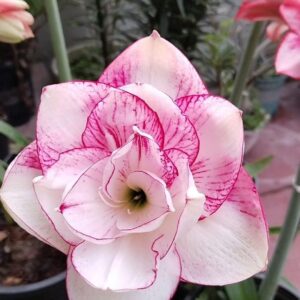
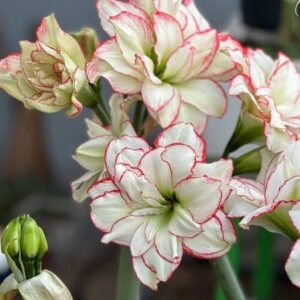
2. Amaryllis (Hippeastrum)Often sold as large bulbs, these are famous for their massive, trumpet-shaped flowers.- Flowers: They come in vibrant colors like red, pink, white, and striped varieties.
- Seasonal Bloom: Usually planted in the autumn to provide winter or early spring blooms.
- Confusion: There is a specific Hippeastrum cultivar named ‘Lima’ which has thin, spidery petals that some collectors categorize as “exotic” or “Cybister” types, similar to the reptilian vibe of the Rattlesnake plant.
3. Other “Rattlesnake” Plants- Rattlesnake Master (Eryngium yuccifolium): A native North American prairie plant with spiky, blue-green foliage used historically as a remedy for snakebites.
- Rattlesnake Orchid (Pholidota imbricata): An orchid variety with flower spikes that resemble a rattle.
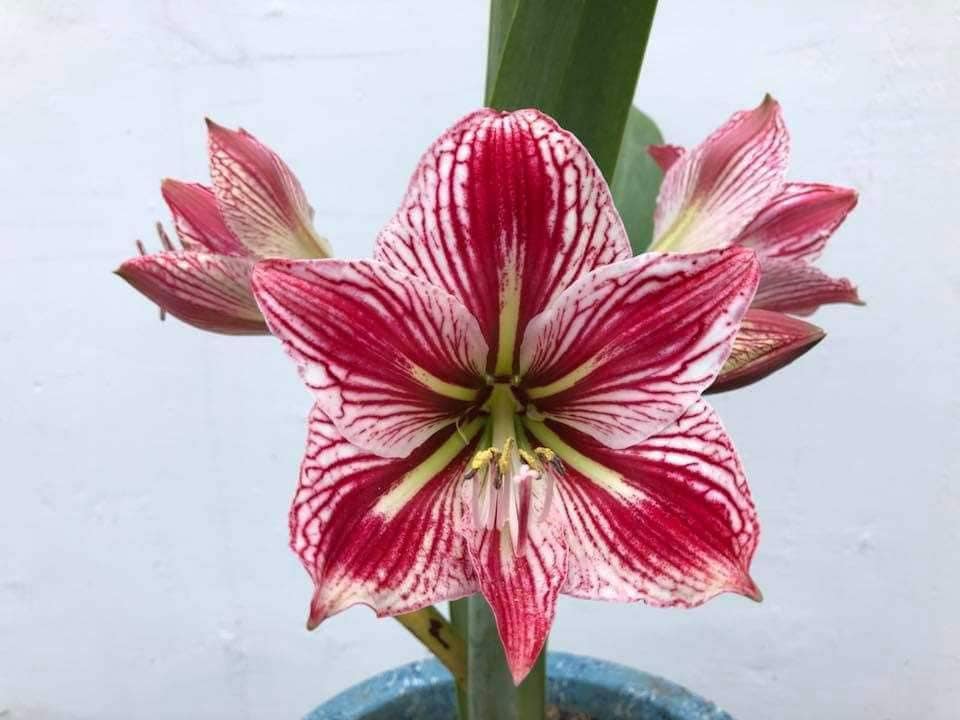
Rattle snake -Pack of 1 bulb
Amaryllis₹800.00
Rattle snake
- Description:Large, tropical bulbs that produce 1–2 sturdy, hollow stems (18–30 inches) bearing 2–6, large, trumpet-shaped flowers (up to 10 inches across).
- Blooms: Typically red, white, pink, orange, or unique, multi-colored/striped patterns.
- Ease of Growth: Extremely easy, often grown indoors during winter, blooming 6–8 weeks after planting.