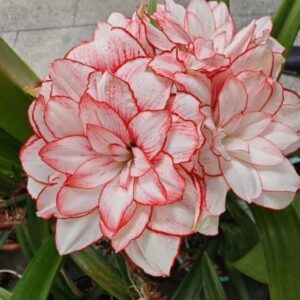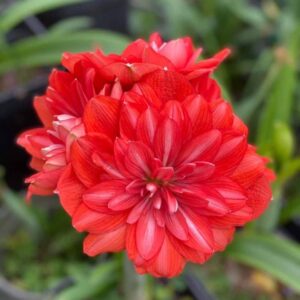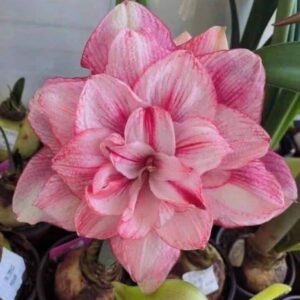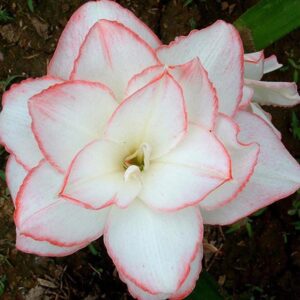

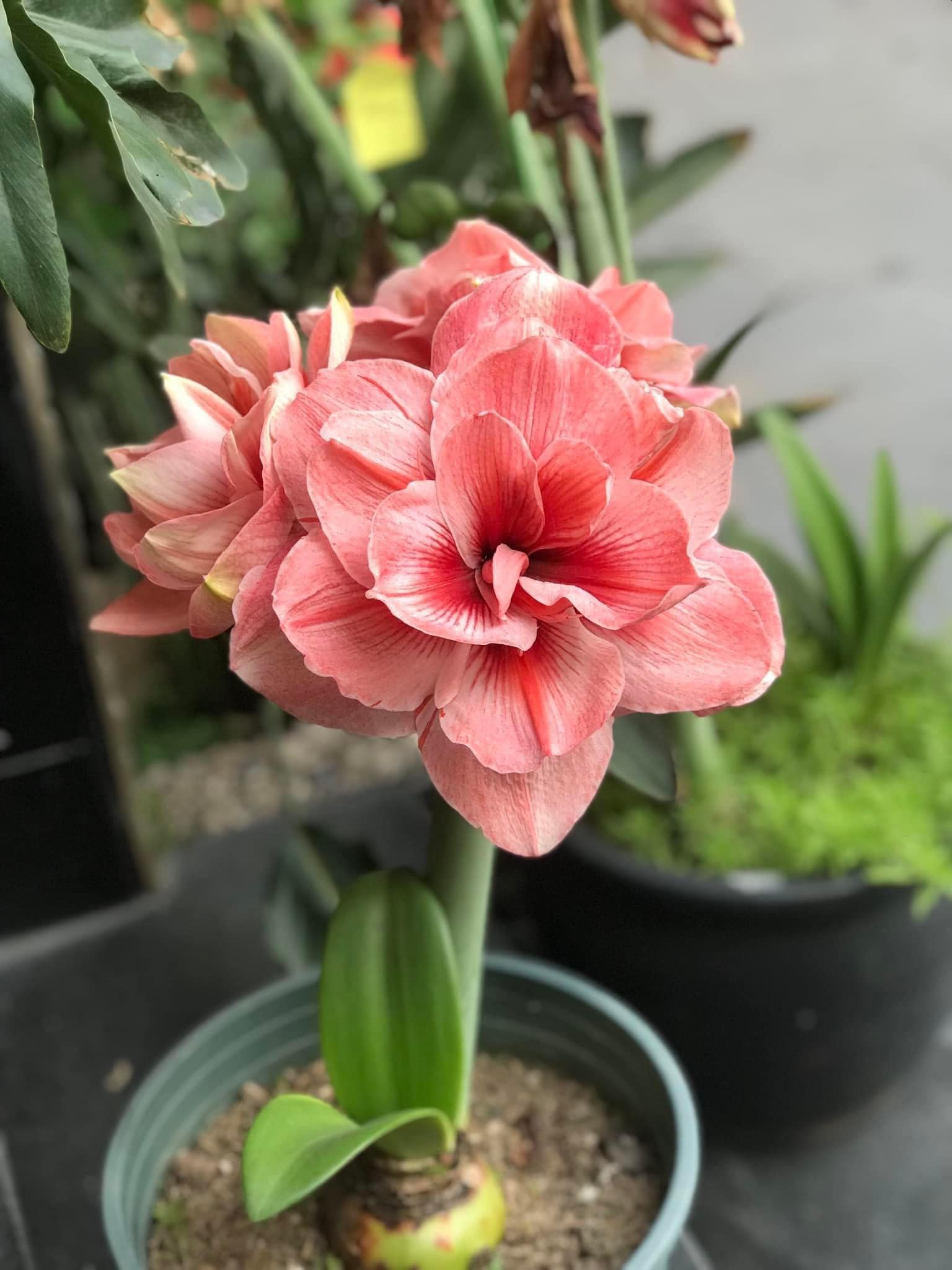
Rani Amaryllis bulbs (often marketed as part of premium or imported Indian, South American, or Dutch Hippeastrum hybrids) are popular, easy-to-grow flowering bulbs known for producing large, trumpet-shaped, vibrant flowers. They are commonly grown indoors during winter, particularly around the holiday season, as they do not require outdoor conditions to thrive.
Here is a detailed guide to Rani Amaryllis bulbs:
Key Features
- Flowers: Large, often 15-20 cm in diameter, and come in vibrant shades of red, pink, white, and bicolors (e.g., stripes or red edges).
- Stems: They produce tall, stout stalks (scapes) that are 18-30 inches high.
- Blooming Cycle: Typically bloom 6 to 10 weeks after planting.
- Perennial: These bulbs can be kept for many years, reblooming annually if properly cared for.
Planting Guide
- Pot Size: Choose a pot that is only 1-2 inches wider than the bulb, as they prefer to be slightly root-bound. Ensure it has good drainage holes.
- Soil: Use a well-draining, nutritious potting compost (mix with cocopeat or perlite).
- Planting Technique: Place the bulb in the pot, filling it with soil around the roots, but keep the top one-third of the bulb above the soil surface.
- Placement: Place the pot in a warm, bright spot with indirect sunlight.
Care Instructions
- Watering: Water sparingly until you see about 2 inches of new growth, then water regularly to keep the soil lightly moist (not soggy).
- Temperature: Ideal temperatures are between 65-75°F (18-24°C).
- Fertilization: Feed with a balanced, liquid houseplant fertilizer every 2-4 weeks after the leaves appear.
- Support: As the stem grows tall and the flowers open, it may need to be staked to prevent tipping.
Post-Bloom Care & Reblooming
- Deadhead: Once flowers fade, cut the flower stalk to within 1-2 inches of the bulb to prevent energy waste.
- Leaf Maintenance: Keep the leaves growing throughout spring and summer in a sunny spot, watering and fertilizing regularly.
- Dormancy (Crucial for Reblooming): In late summer/early fall (mid-August), stop watering and let the leaves dry out. Store the bulb in a cool, dark, and dry place (50-55°F) for 8-12 weeks.
- Restart: After the rest period, bring the bulb back into the light, resume watering, and wait for new blooms.
Common Problems
- Bulb Rot: Caused by overwatering or soil that does not drain well.
- Red Blotch (Fungus): Appears as red, elongated spots on the leaves or stalk. It is rarely fatal but unsightly; keep bulbs dry and use fresh soil to avoid it.
- Poisonous: Amaryllis bulbs are toxic to pets and children, so keep them out of reach.