
Golden Showers Rose
The Golden Showers Rose is a timeless favorite for gardeners looking to add vertical interest and a splash of sunshine to their landscapes. Since its introduction, it has remained one of the most popular yellow climbing roses in the world, prized for its ability to bloom reliably from early summer well into the first frosts of autumn.
Signature Features & Aesthetics
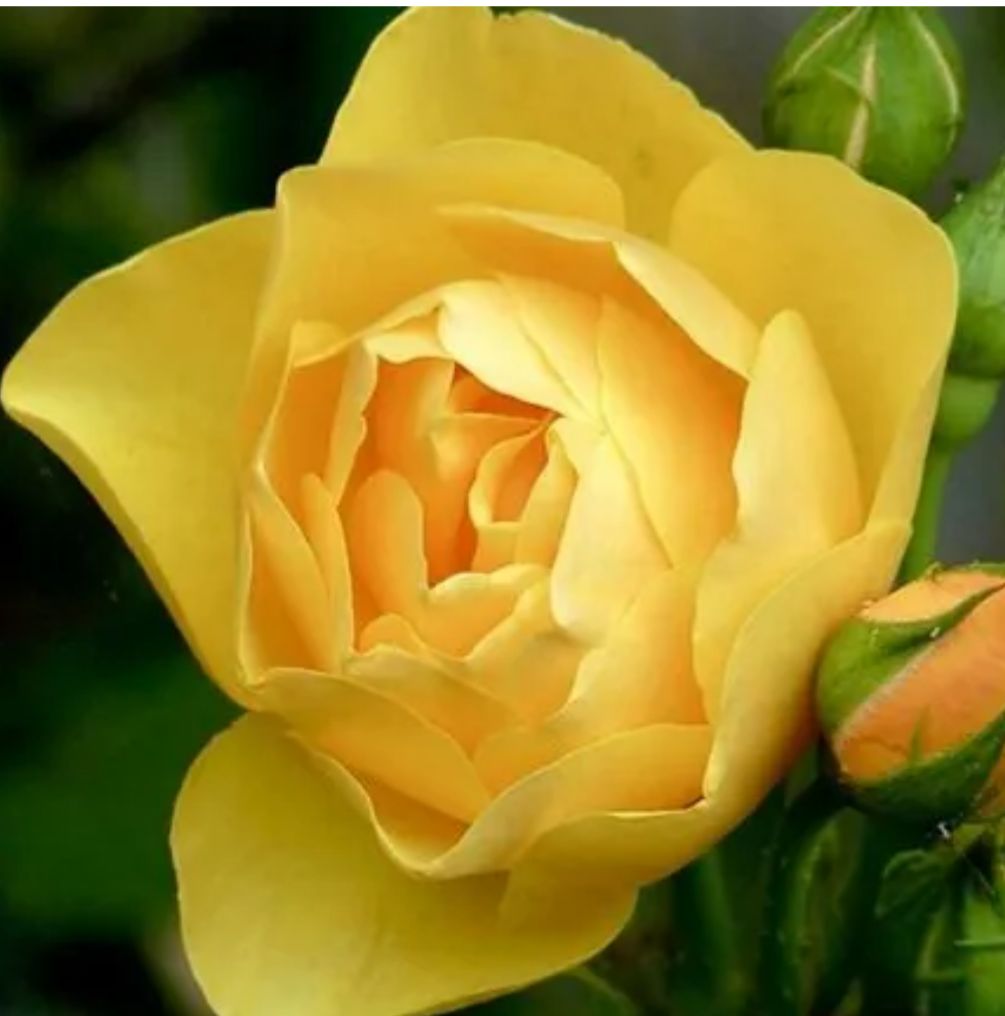
- Luminous Color Transition: The blooms emerge as high-centered buds in a rich, deep daffodil yellow. As they open, they settle into a soft primrose shade with prominent golden stamens that attract pollinators.
- Loose, Romantic Form: Unlike the tight rosettes of some English roses, Golden Showers features large, semi-double blooms with a relaxed, airy appearance that dances in the breeze.
- Sweet Fruity Scent: It carries a notable, fresh fragrance—a delicate blend of traditional tea rose mixed with sweet honey notes.
- Exceptional Versatility: Because it is nearly thornless and has flexible canes, it is exceptionally easy to train over arches, pergolas, or up a trellis.
Why Choose Golden Showers Roses?
- The “Vertical Hero”: Perfect for small gardens or narrow spaces, it provides height and color without taking up significant ground space.
- Shade Tolerant: One of the few yellow roses that can still produce a beautiful display even in north-facing or partially shaded spots.
- Low Maintenance: Known for its disease resistance and vigorous growth habit, it is an excellent choice for both beginner gardeners and experts.
Technical Specifications
| Feature | Details |
| Breeder | Walter Lammerts (USA) |
| Color | Bright Yellow to Creamy Primrose |
| Flower Form | Semi-Double / Loose Petals |
| Fragrance | Medium (Tea and Honey) |
| Bloom Size | 10 cm – 12 cm (Large) |
| Height/Spread | 3m (H) x 2m (W) |
| Hardiness | Fully Hardy (USDA Zones 5-10) |
Professional Care Instructions
To ensure your Golden Showers Rose climbs to its full potential:
- Strategic Planting: Choose a spot with well-drained soil. While it tolerates shade, 4–6 hours of sun will produce the most vibrant yellow color.
- Initial Support: Use soft garden ties to guide the new canes to your trellis or fence. Training the canes horizontally encourages more blooms along the entire length.
- Regular Feeding: Apply a high-potash rose fertilizer in early spring and again after the first flush of flowers to support its repeat-blooming habit.
- Deadheading: Remove faded flowers promptly to encourage the plant to put its energy into new buds rather than hips.
- Winter Pruning: In late winter, prune back any dead or crossing wood and shorten the side shoots to about 2–3 inches to maintain a neat shape.