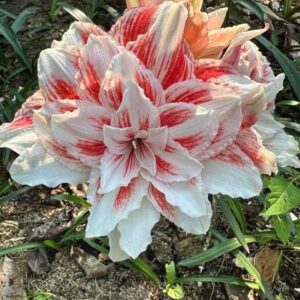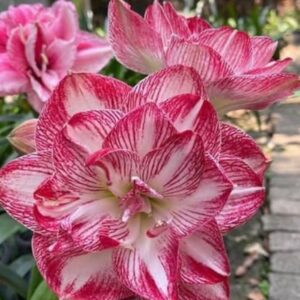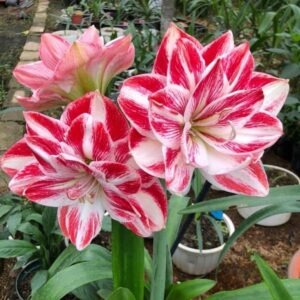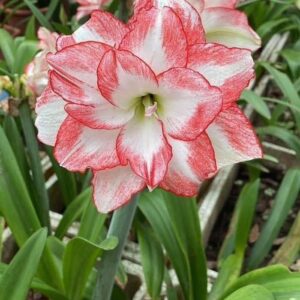

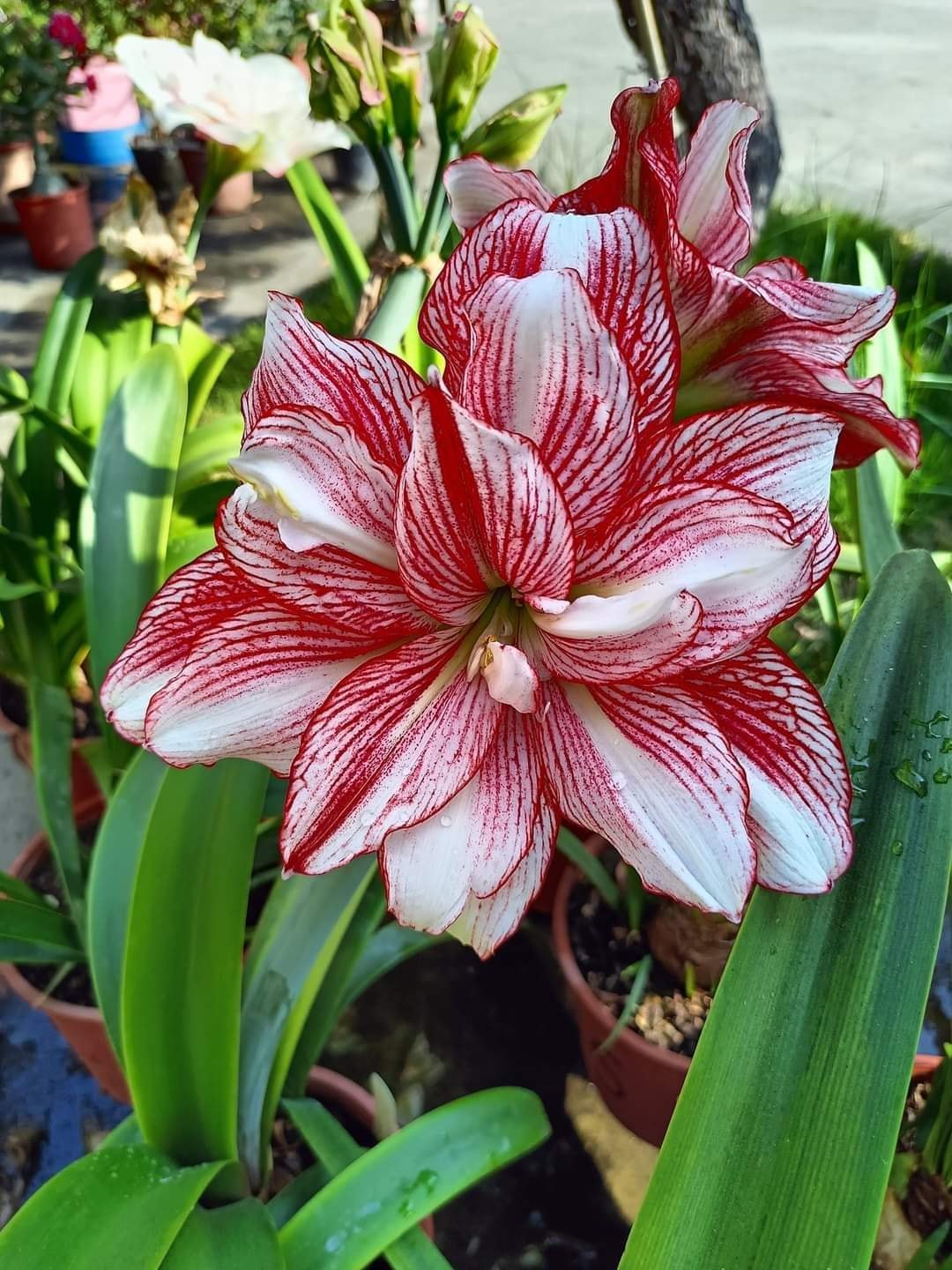
Amaryllis bulbs (typically Hippeastrum hybrids) are popular, easy-to-grow, indoor/outdoor flowering plants known for producing massive, trumpet-shaped blooms in vibrant shades of red, white, pink, orange, and striped varieties. They bloom 6–8 weeks after planting, often during winter, making them a popular festive gift. These bulbs prefer well-drained soil, bright indirect light, and moderate watering, with larger bulbs producing more stalks.
Key Characteristics and Care
- Appearance: Large, 4–10 inch diameter, velvety flowers with 6 tepals (3 petals, 3 sepals) on thick, hollow stems 1–3 feet tall.
- Blooms: Lasts 4–6 weeks, with 2–6 blooms per stem.
- Planting: Plant with the top third of the bulb exposed in well-draining soil.
- Light/Water: Require bright, indirect light; water only when the top inch of soil feels dry.
- Durability: They are resistant to deer and rabbits.
Varieties
- Color Range: Red, white, pink, salmon, apricot, rose, burgundy, and striped.
- Types: Large-flowered, double-flowered, and exotic Cybister (spidery) varieties.
Growing Cycle
- Winter/Spring: Active blooming phase.
- Summer: Foliage grows; keep in bright light and water regularly.
- Fall: Allow the plant to dry out and go dormant for 8–10 weeks in a cool, dark place to encourage re-blooming.
Amaryllis are generally easy to maintain, but it is important to note that the bulbs are toxic if ingested by pets or humans.