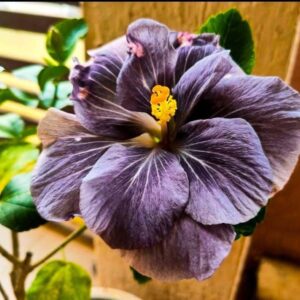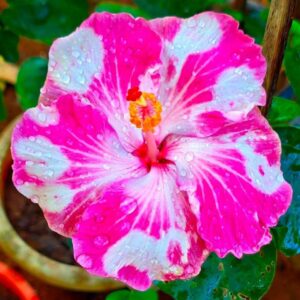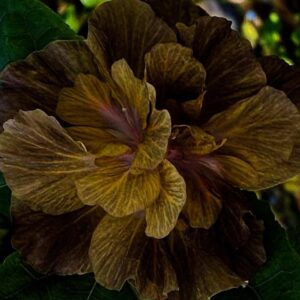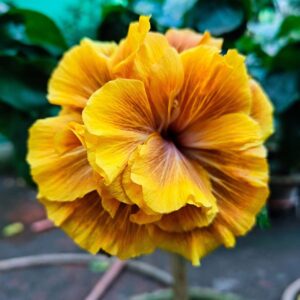
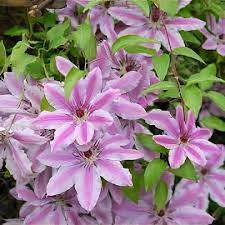
“Brocade” appears to be a specific cultivar name within the Clematis genus (often referred to as “Queen of Climbers”), rather than a variety of rose itself. Clematis are popular, perennial, flowering vines that thrive when grown on trellises, fences, or intertwined with climbing roses.
Here is an overview of the Brocade clematis and the genus in English:
1. Characteristics of ‘Brocade’ Clematis
- Appearance: ‘Brocade’ is a cultivar known for producing large, deeply textured, magenta-rose or reddish-purple flowers.
- Flower Type: It often features double or semi-double blooms early in the season, with later blooms becoming single.
- Vigor & Size: It is a moderate climber, making it suitable for smaller gardens, pillars, and container planting.
- Blooming Season: Typically blooms in early summer, often with a repeat flush in late summer or early autumn.
2. General Clematis (Queen of Climbers)
- Botanical Family: Ranunculaceae (the buttercup family).
- Growth Habit: Deciduous or evergreen, woody-stemmed climbers that use twisting leafstalks to cling to supports.
- Common Names: Often called “Leather flower” for those with thick, fleshy petals, or “Virgin’s Bower” for specific varieties.
- Garden Use: Ideal for covering fences, arbors, and pergolas to provide vertical color. They are often planted to grow through climbing roses for a combined, dramatic blooming effect.
3. Care and Cultivation Tips
- Sun Requirements: “Feet in the shade, head in the sun.” The roots need to be kept cool and moist (mulch helps), while the vines need full sun to bloom profusely.
- Soil: Prefer well-drained, moist, nutrient-rich soil that is neutral to slightly alkaline.
- Pruning: ‘Brocade’ generally falls into Group 2 (Early Large-Flowered), requiring only light pruning in early spring to remove dead stems and shape the plant, encouraging new blooms.
- Hardiness: Generally hardy, with many cultivars suitable for USDA Zones 4–11.
4. Toxicity
- Clematis plants contain compounds that can cause severe skin irritation and are toxic if ingested in large quantities. It is recommended to wear gloves when handling or pruning them.
For the best visual impact, ‘Brocade’ is often paired with lavender or pale yellow climbing roses, creating a rich contrast in color and texture.