
- Boysenberry: A large, dark maroon hybrid berry fruit (a cross between blackberries, raspberries, and loganberries).
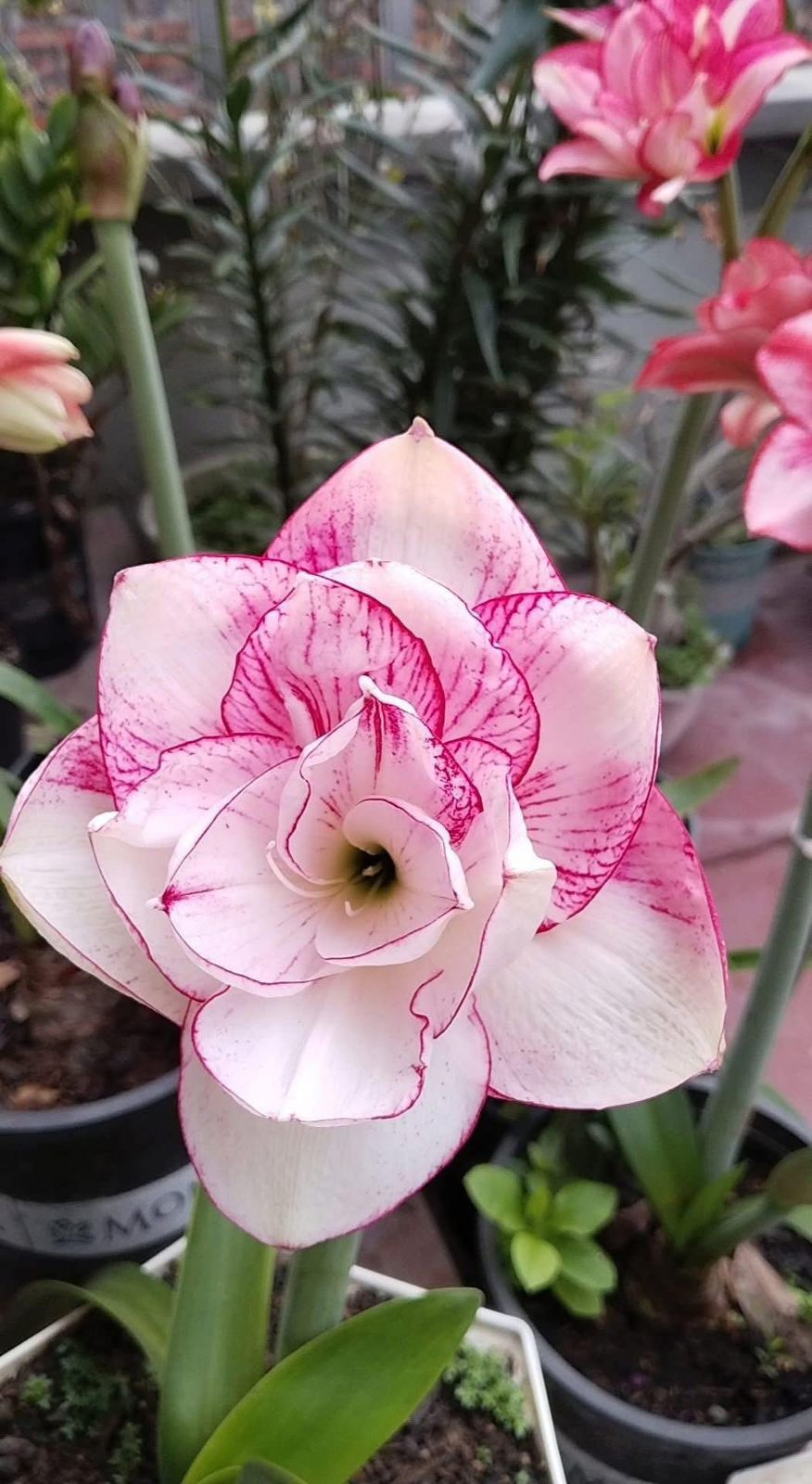
- Amaryllis: A genus of flowering bulbs known for large, trumpet-shaped, vibrant red or pink flowers, typically grown indoors during winter.
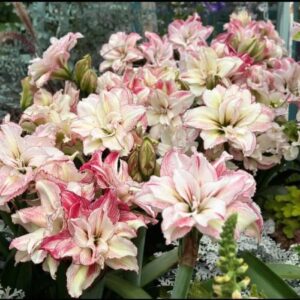
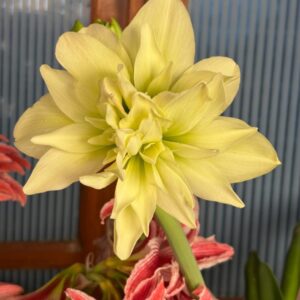
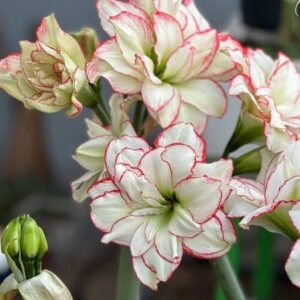
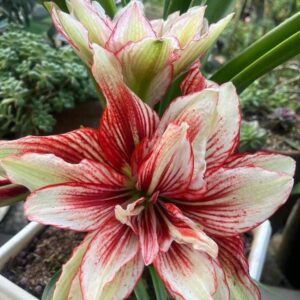
It is possible the query refers to a deep burgundy or maroon-colored cultivar of Amaryllis (specifically Hippeastrum) that resembles the color of a boysenberry, as amaryllis come in shades ranging from red and white to deep burgundy.
Below are details on both plants, focusing on the dark-colored amaryllis.
1. The “Boysenberry” Colored Amaryllis (Hippeastrum)
Amaryllis bulbs commonly sold for the holidays belong to the genus Hippeastrum, not the true Amaryllis genus.
- Appearance: These plants produce large, trumpet-shaped flowers on 1- to 2-foot, leafless, hollow stalks.
- Color: While red is most popular, “boysenberry” refers to the deep crimson, maroon, or dark burgundy, sometimes velvety, red hybrids.
- Care: They prefer bright, indirect light, and moderate water. After blooming, the flower stalk is cut, but foliage is kept to allow the bulb to store energy for the next year.
- Symbolism: Amaryllis represents pride, strength, and determination because they bloom in winter.
- Warning: Amaryllis bulbs are toxic to pets and humans if ingested.
2. The Boysenberry Fruit (Rubus ursinus)
- Origin: Developed in the 1920s by Rudolph Boysen in Anaheim, California, and commercialized by Walter Knott.
- Characteristics: It is a large, soft, dark red-black aggregate fruit with a sweet-tart flavor.
- Cultivation: The plants are thorny or thornless trailing brambles.
- Usage: Popular in jams, pies, and preserves, often grown in home gardens in California and New Zealand.
If the query intended to describe a specific brand or hybrid name of a flower, the results do not indicate a “boysenberry amaryllis” hybrid exists. However, dark red Amaryllis like ‘Red Lion’ or similar cultivars are likely what is being described.