
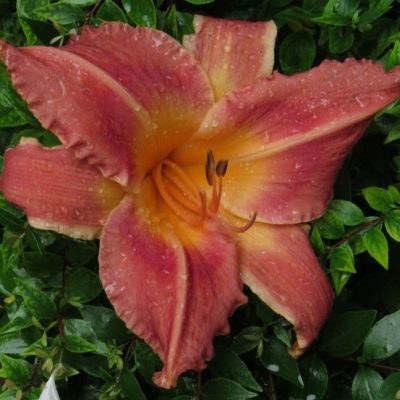
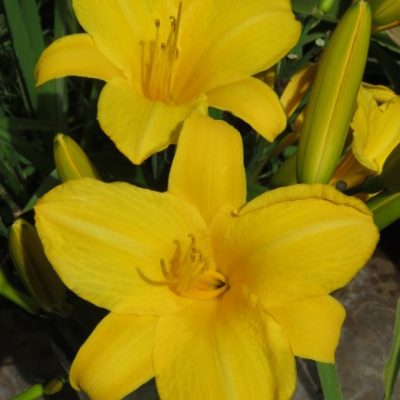
There is no single plant known as the “Tribulus daylily.” This term likely refers to a combination of two entirely distinct plants: Tribulus terrestris (puncture vine) and the Daylily (Hemerocallis). [1, 2, 3]
Here are the details for both plants:
1. Tribulus terrestris (Puncture Vine / Gokshura)
- What it is: A tough, creeping weed from the Zygophyllaceae family, famous for its small yellow flowers and sharp, woody seed pods (burs). [1, 2]
- Uses: Highly utilized in Ayurvedic and traditional Chinese medicine, typically the root and fruit. It is commonly found as a supplement ingredient marketed for libido and general vitality, though strong clinical evidence for muscle or athletic enhancement is lacking. [1, 2, 3]
- Safety: The plant itself is invasive and its thorny fruits can damage tires and injure livestock. For humans, high doses or long-term use can sometimes lead to stomach upset, fatigue, or other adverse effects. [1, 2]
2. Daylily (Hemerocallis)
- What it is: A highly popular, hardy perennial flowering plant prized in landscaping and gardening. They typically bloom from zones 3 through 9, with flowers that open for only a single day. [1, 2, 3, 4, 5]
- Edibility & Safety: Some daylily varieties are cooked or eaten, but edibility is questionable and the roots and young shoots are considered potentially toxic. Ingesting large quantities can cause hallucinogenic effects or stomach upset. [1]