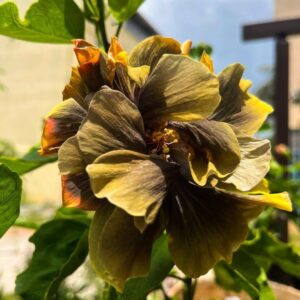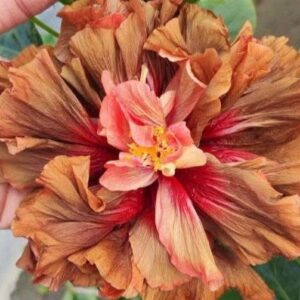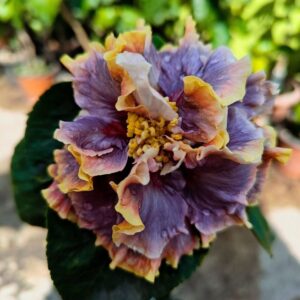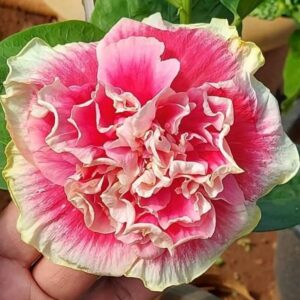

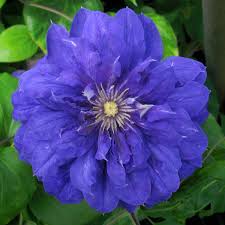
Clematis ‘Beauty of Worcester’ is a popular, award-winning deciduous climber known for its early, large, and showy double flowers. Introduced in the UK in 1890, it is a classic choice for gardens, particularly for covering fences, arbors, or growing in containers.
Here is a detailed guide to ‘Beauty of Worcester’ in English:
Key Characteristics
- Flowers: In late spring (May-June), it produces large (10-16 cm), deep purple-blue, semi-double to double flowers with cream-colored anthers.
- Reblooming: A second, smaller flush of single flowers often appears in late summer to early autumn.
- Size: It is a moderate-sized climber, reaching an ultimate height of 1.5–2.5 meters (5-8 ft) and a spread of 0.5–1 meter.
- Habit: Deciduous, with glossy, dark-green foliage.
- Awards: The Royal Horticultural Society (RHS) gave it the Award of Garden Merit (AGM) in 1984.
Growing Conditions
- Light: Thrives in full sun or partial shade.
- Soil: Requires moist but well-drained, fertile soil.
- Root Protection: Like most clematis, it prefers to have its “head in the sun and roots in the shade.” Planting with the base shaded by other plants or using mulch is recommended to keep the roots cool.
- Hardiness: Generally hardy throughout the UK and similar climates (-10°C to -15°C or lower), typically falling within USDA
Pruning and Care
- Pruning Group: It belongs to Pruning Group 2.
- Light Pruning: In early spring, cut back old, weak, or damaged stems, and prune the remaining stems to a pair of large buds.
- After Flowering: A light trim after the first flush of flowers in early summer can encourage a second, lighter bloom in late summer.
- Feeding: As a “greedy” feeder, regular fertilizing with a balanced, slow-release fertilizer during the growing season is beneficial.
- Support: Requires a firm structure to climb on, such as a trellis, obelisk, or pergola.
Garden Uses
‘Beauty of Worcester’ is versatile and suits various garden styles:
- Containers: Ideal for large pots on patios or balconies.
- Companion Planting: Excellent for growing through large shrubs, hedges, or climbing roses.
- Vertical Accents: Perfect for pillars, arches, and pergolas.
Potential Problems
- Diseases: Susceptible to clematis wilt, clematis slime flux, and sometimes powdery mildew.
- Pests: May attract aphids, snails, caterpillars, and earwigs.