- “Carolina bulbs” most commonly refers to the Carolina Lily (Lilium michauxii), a native, fragrant, and hardy bulbous perennial found throughout the Southeastern United States.Here is an overview of the Carolina Lily:Key Characteristics
- Appearance: A smaller, native lily (2 to 4 feet tall) with orange-red, speckled, and strongly recurved petals (bending backward) that resemble a “Turk’s cap,” though it is distinct from the taller Lilium superbum.
- Fragrance: It is known for being the only fragrant native lily east of the Mississippi River.
- Blooms: The flowers bloom in summer (July to August, sometimes into September), typically with 1-6 flowers per stem.
- Leaves: Thick, fleshy leaves arranged in whorls around the stem.
Growing Conditions- Light: Partial sun is required (4-6 hours per day).
- Soil: Prefers moist, well-drained, acidic soil.
- Habitat: Naturally found in dry woodland areas and forest edges.
- Wildlife: Pollinated by swallowtail butterflies, but the bulbs are susceptible to being eaten by voles, and the plant is browsed by deer and rabbits.
Comparison to Similar Plants- Turk’s Cap Lily (Lilium superbum): Much taller (up to 6-7 feet) with up to 40 flowers, whereas the Carolina Lily is shorter with fewer flowers.
- Michigan Lily (Lilium michiganense): Similar in appearance but has a different range and is usually found in wetter areas.
Other “Carolina” BulbsWhile Lilium michauxii is the primary “Carolina Lily,” other plants often associated with the region or named for it include:- Carolina Spring Beauty (Claytonia caroliniana): A small woodland ephemeral with white-pink flowers.
- Roselily ‘Carolina’: A commercial, pollen-free, double-flowered lily hybrid.
Note on “Carolina Jessamine” (Gelsemium sempervirens): While this is the state flower of South Carolina and is very popular in the region, it is a flowering vine, not a bulb.
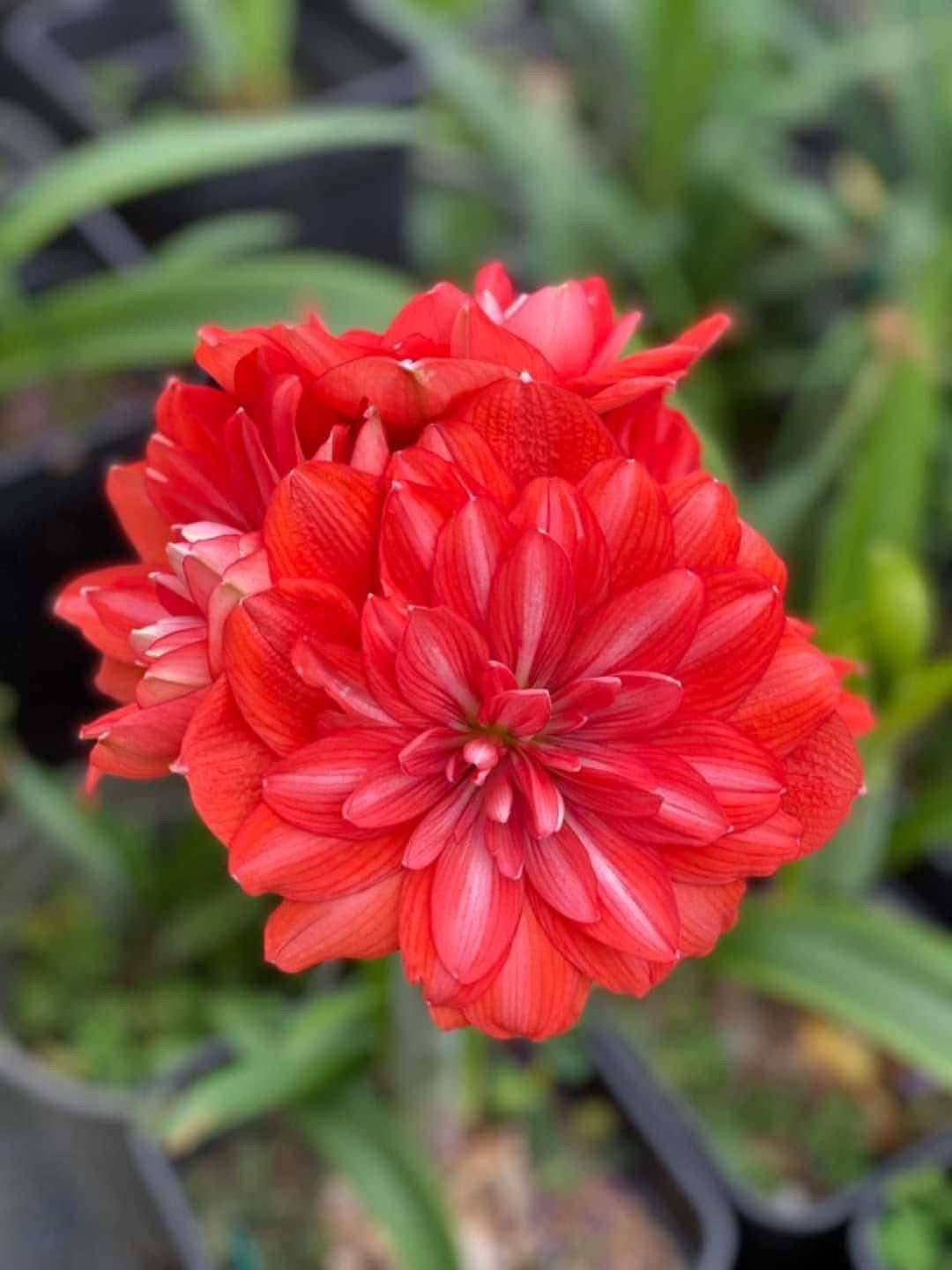
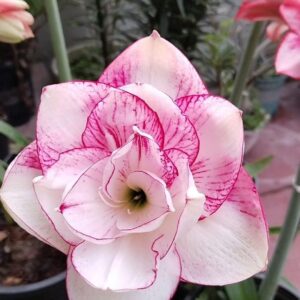
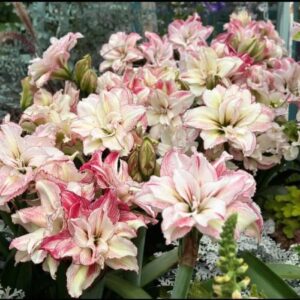
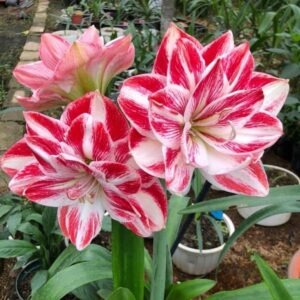
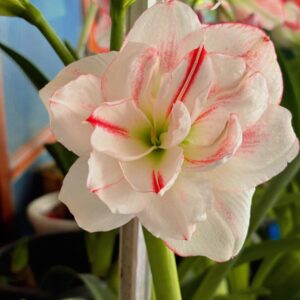
Carolina-Pack of 1 Bulb
Amaryllis₹2,000.00
The Carolina Lily (Lilium michauxii), often referred to through its bulbs or as a native Carolina bulb, is a fragrant, shade-tolerant native wildflower found across the Southeastern US.