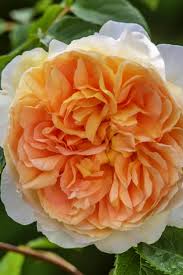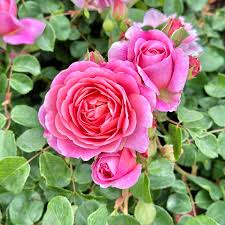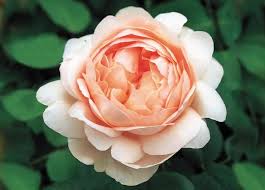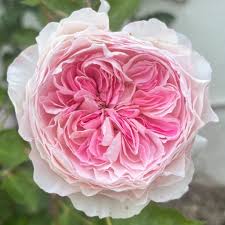

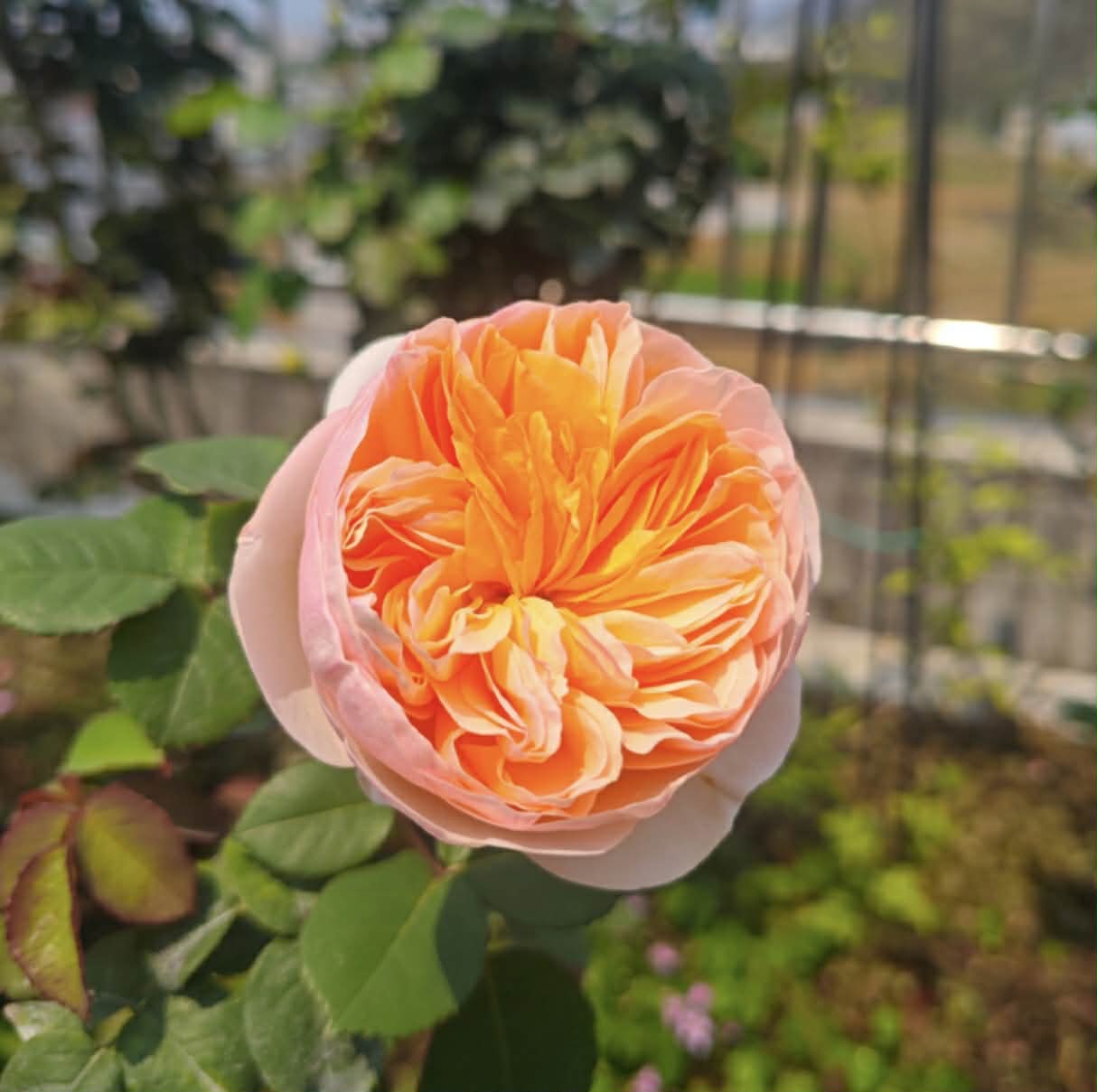
The Juliet Rose (botanical name: Rosa ‘Ausjameson’) is a world-famous English Rose developed by the legendary breeder David Austin. It is widely recognized for its unique cupped shape and its status as one of the most expensive roses ever created.
Key Facts and History
- The “£3 Million Rose”: It earned this nickname because David Austin reportedly spent roughly £3 million (approx. $4.3–$5 million USD) over 15 years to develop and perfect the variety.
- Debut: It made its public debut in 2006 at the prestigious RHS Chelsea Flower Show in London.
- Literary Name: The rose is named after the tragic heroine from William Shakespeare’s Romeo and Juliet.
- Commercial Success: In 2006, the first Juliet rose sold for a record-breaking $15.8 million. Today, it remains the most popular wedding rose in the United States.
Appearance and Characteristics
- Color: It features a luminous apricot and peach hue. The center is a deep apricot that softly fades to pale peach or cream at the outer edges.
- Form: It has a classic, deeply cupped “old garden rose” shape with approximately 90 to 92 densely packed petals arranged in a neat rosette.
- Fragrance: The scent is subtle and elusive, often described as a light tea fragrance with hints of vanilla and lilac as it opens.
- Vase Life: Specifically bred for the cut-flower industry, it has an exceptional vase life of 6 to 10 days.
Cultivation and Care
- Plant Type: It is classified as a modern shrub rose but was primarily bred as a cut-flower variety for greenhouse production.
- Growing Conditions: It thrives in full sun (at least 6 hours daily) and rich, well-drained soil.
- Hardiness: It is generally suitable for temperate to warm climates, such as USDA Zone 7.
- Garden Performance: While it can be grown in gardens, it is more susceptible to common diseases like black spot and powdery mildew when grown outdoors compared to controlled greenhouse environment.