
Iceberg Rose
The Iceberg Rose is a horticultural legend. Since its introduction by Kordes in 1958, it has remained the quintessential white rose, beloved for its tireless blooming cycle and ethereal beauty. Whether you choose the bushy floribunda or the soaring climber, Iceberg brings a sense of cool, crisp elegance to any landscape or floral arrangement.
Signature Features & Aesthetics
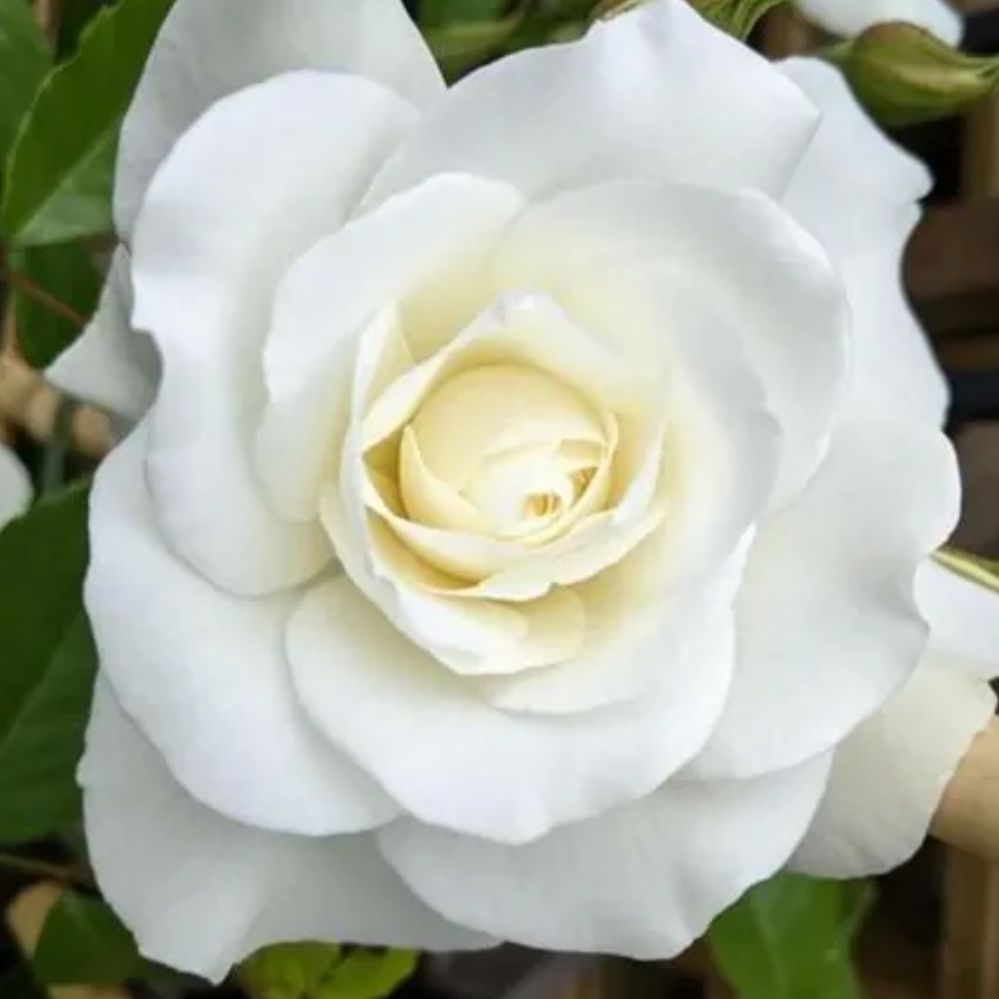
- Pristine White Blooms: Iceberg features medium-sized, semi-double flowers of the purest white, occasionally showing a very faint blush of pink in cooler weather.
- Profuse Blooming: Unlike many varieties, Iceberg is a “bloom machine,” producing massive clusters of flowers from late spring all the way into the first frosts of winter.
- Glossy Foliage: The flowers are beautifully offset by light green, shiny foliage that remains attractive throughout the growing season.
- Mild, Sweet Scent: It carries a delicate, soft honey fragrance that is subtle and refreshing.
Why Choose Iceberg Roses?
- Unmatched Versatility: Its clean white palette acts as a “neutral” in the garden, making other colors pop or creating a serene, “Moon Garden” effect on its own.
- Award-Winning Hardiness: Highly resistant to disease and incredibly easy to grow, it is the perfect rose for both beginners and master gardeners.
- Landscaping Essential: Ideal for low hedges, mass plantings, or as a graceful climber to cover arches and fences.
Technical Specifications
| Feature | Details |
| Breeder | Kordes (Germany, 1958) |
| Color | Pure Ice-White |
| Flower Form | Semi-Double / Cluster-flowering |
| Petal Count | 25 – 35 Petals |
| Fragrance | Mild, Soft Honey Scent |
| Vase Life | 5 to 7 Days |
| Hardiness | Very Hardy (USDA Zones 5-9) |
Professional Care Instructions
To ensure your Iceberg Roses remain vibrant and healthy:
- Sunlight Requirements: Plant in a spot that receives at least 6 hours of direct sunlight for maximum bloom production.
- Pruning for Vigor: In late winter, prune back about one-third of the growth to encourage new, flowering wood.
- Strategic Watering: Water at the base of the plant rather than the leaves to prevent any risk of mildew, though this variety is exceptionally resistant.
- Deadheading: Regularly remove faded blooms to trigger the next flush of flowers.
- Feeding: Use a high-potash rose fertilizer in early spring and mid-summer to fuel its continuous blooming habit.